
 English
 Français
  Português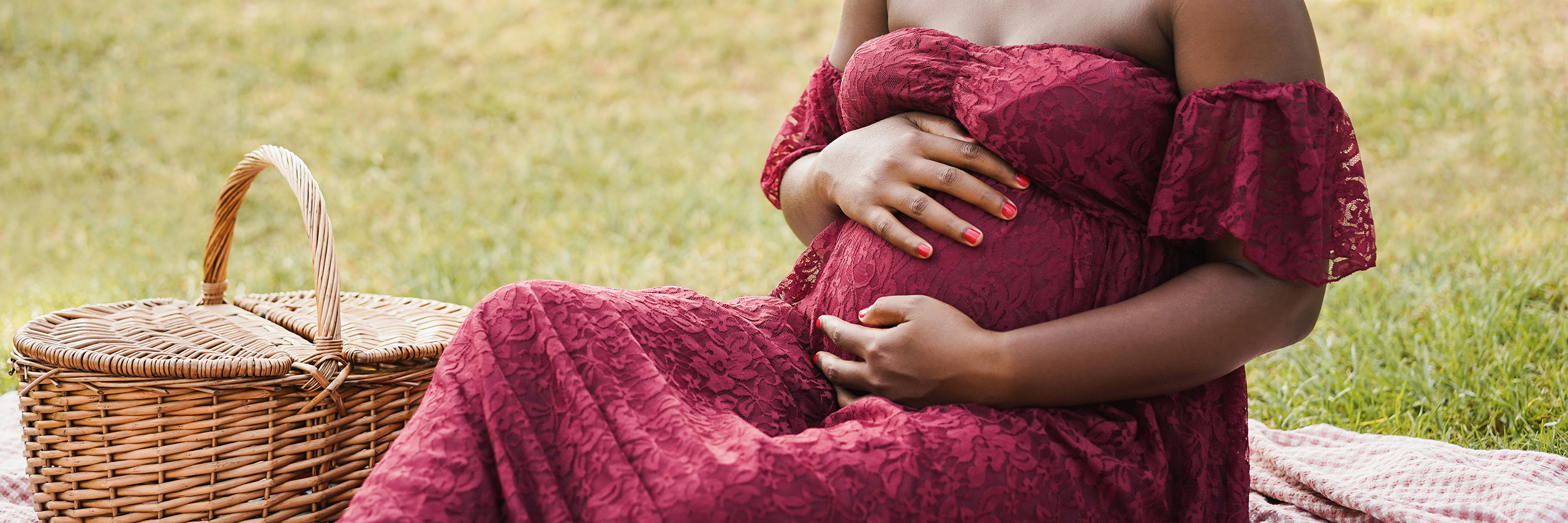
Obstetric Fistula

To address the social and economic impacts of obstetric fistula on girls and women in the region, the ECOWAS Gender Development Center(EGDC) took the initiative in 2010 to launch a comprehensive program providing medical and financial support to women and girls suffering from obstetric fistula in the ECOWAS Member States. The objective of this program is to improve access to and the management of healthcare and socioeconomic support for those affected by the condition, enabling them to lead productive and meaningful lives and contribute to the development of the ECOWAS region.
In partnership with healthcare institutions, NGOs operating in the field, the ministries of health, and the ministries responsible for gender issues in 14 Member States, the EGDC is working to create an environment conducive to eliminating fistula within the ECOWAS space. Three priority components have been identified: prevention, awareness, and information; medical care through reconstructive surgery; and the socioeconomic reintegration of the cured women. This is the well-known 3Rs approach: Repair, Reintegration, and Restore.
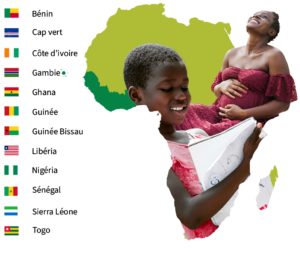
The EGDC has established coordination mechanisms and monitoring and evaluation systems for the program within the ECOWAS Member States. The goal is to ensure effective and efficient coordination and monitoring of activities combating obstetric fistula in the Member States so that obstetric fistula is integrated into the National Health Development Programs (NHDP) of the ECOWAS Member States.
After several years of implementation, thanks to the commitment of the Member States and the support of technical and financial partners as well as civil society organizations, significant progress has been made. The current status of the Medical and Financial Support Program for women and girls suffering from obstetric fistula in the ECOWAS Member States is reflected in the following achievements: over 151 specialized units have been rehabilitated, more than 1,657 female patients have been treated, over 1,488 cured women have been reintegrated into social and economic life, and more than 233,091 people have been made aware of the condition.
AI Chat
Workspace
Related News


Sadibou Sarr
ECOWAS BUILDS THE CAPACITIES OF WOMEN AND CROSS-BORDER TRADE STAKEHOLDERS TO BETTER FACILITATE TRADE IN LOMÉ
The Economic Community of West African States (ECOWAS) Commission, through the ECOWAS Center for Gender Development (CCDG), held an event...
Sadibou Sarr
THE ECOWAS CENTRE FOR GENDER DEVELOPMENT (CCDG) RECEIVES THE VISIT OF THE ECOWAS DIRECTOR OF INFORMATION TECHNOLOGY SYSTEM (ITS) FOR A TECHNICAL WORKING VISIT
The ECOWAS Gender Development Centre (EGDC) received from 1 to 5 June 2025, the Director of Information Technology Services (ITS)...
Sadibou Sarr
THE ECOWAS GENDER DEVELOPMENT CENTRE (EGDC) AND OTHER SPECIALIZED AGENCIES OF THE WATER-ENERGY-FOOD NEXUS WITH GENDER MAINSTREAMING ARE CELEBRATING THE 51ST ANNIVERSARY OF ECOWAS WITH AN ECOCYTOYEN CLEAN-UP ACTION OF THE BAY OF HANN IN DAKAR WITH THE SUPPORT OF THE DIRECTORATE OF ENVIRONMENT AND NATURAL RESOURCES
On Thursday, June 5, 2026, under the leadership of Prof. Fatou SOW SARR, Commissioner for Human Development and Social Affairs...
Sadibou Sarr
THE ECOWAS GENDER DEVELOPMENT CENTRE (EGDC) TAKES PART IN THE CELEBRATION OF THE 51ST ANNIVERSARY OF ECOWAS ORGANIZED BY THE INTERGOVERNMENTAL ACTION GROUP AGAINST MONEY LAUNDERING IN WEST AFRICA (GIABA)
The ECOWAS Gender Development Centre (EGDC) took part on Monday, June 1, 2026, at King Fahd Palace in Dakar, Republic...

Seydou Hanne
CCDG AND THE FOLKE BERNADOTTE ACADEMY CO-ORGANISED A TRAINING WORKSHOP TO BUILD THE CAPACITIES OF ECOWAS PERMANENT AND RESIDENT REPRESENTATIVES
THE ECOWAS CENTRE FOR GENDER DEVELOPMENT (CCDG) AND THE FOLKE BERNADOTTE ACADEMY CO-ORGANISED A TRAINING WORKSHOP TO BUILD THE CAPACITIES...