
 English
 Français
  Português
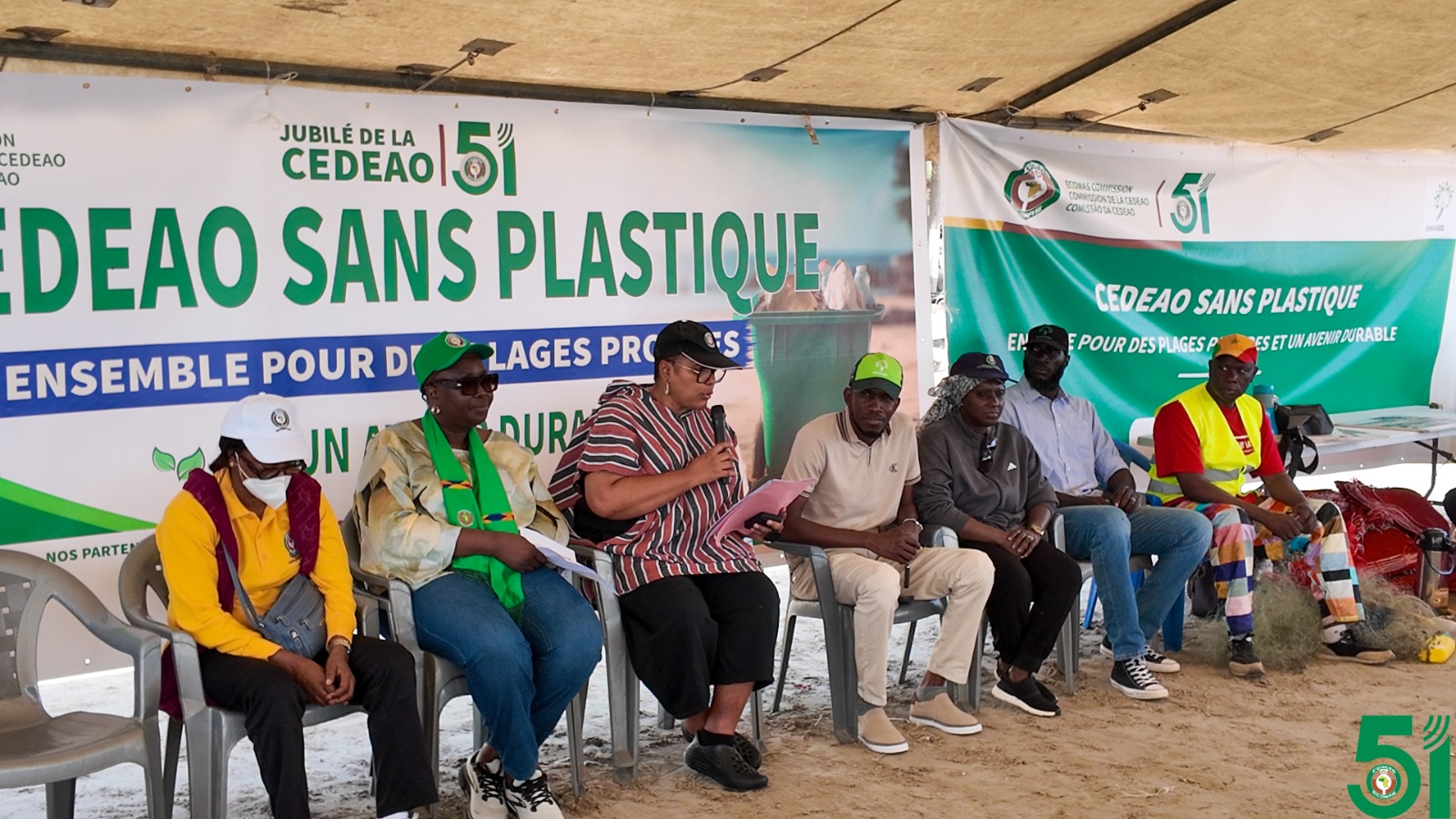
On Thursday, June 5, 2026, under the leadership of Prof. Fatou SOW SARR, Commissioner for Human Development and Social Affairs as well as Dr. Kalilou SYLLA, Commissioner for Economic Affairs and Agriculture of the ECOWAS Commission, the ECOWAS Gender Development Centre (EGDC), in collaboration with the other ECOWAS specialized agencies on the Water-Energy-Food Nexus with gender mainstreaming, and with the support of the Directorate of Environment and Natural Resources, organized an eco-citizen activity to clean up Hann Bay in Dakar in the Republic of Senegal to celebrate the 51st anniversary of ECOWAS. The objective of this activity was to raise awareness and promote sustainable solutions to reduce plastic waste in key urban centres of the West African Community. The celebration of the 51st anniversary of ECOWAS is placed under the theme “Building today the ECOWAS of tomorrow“. It aims to recall and highlight the achievements of ECOWAS in terms of regional integration and development over the last fifty years, and also to make projections for the construction of the future of the Region for the next 50 years.
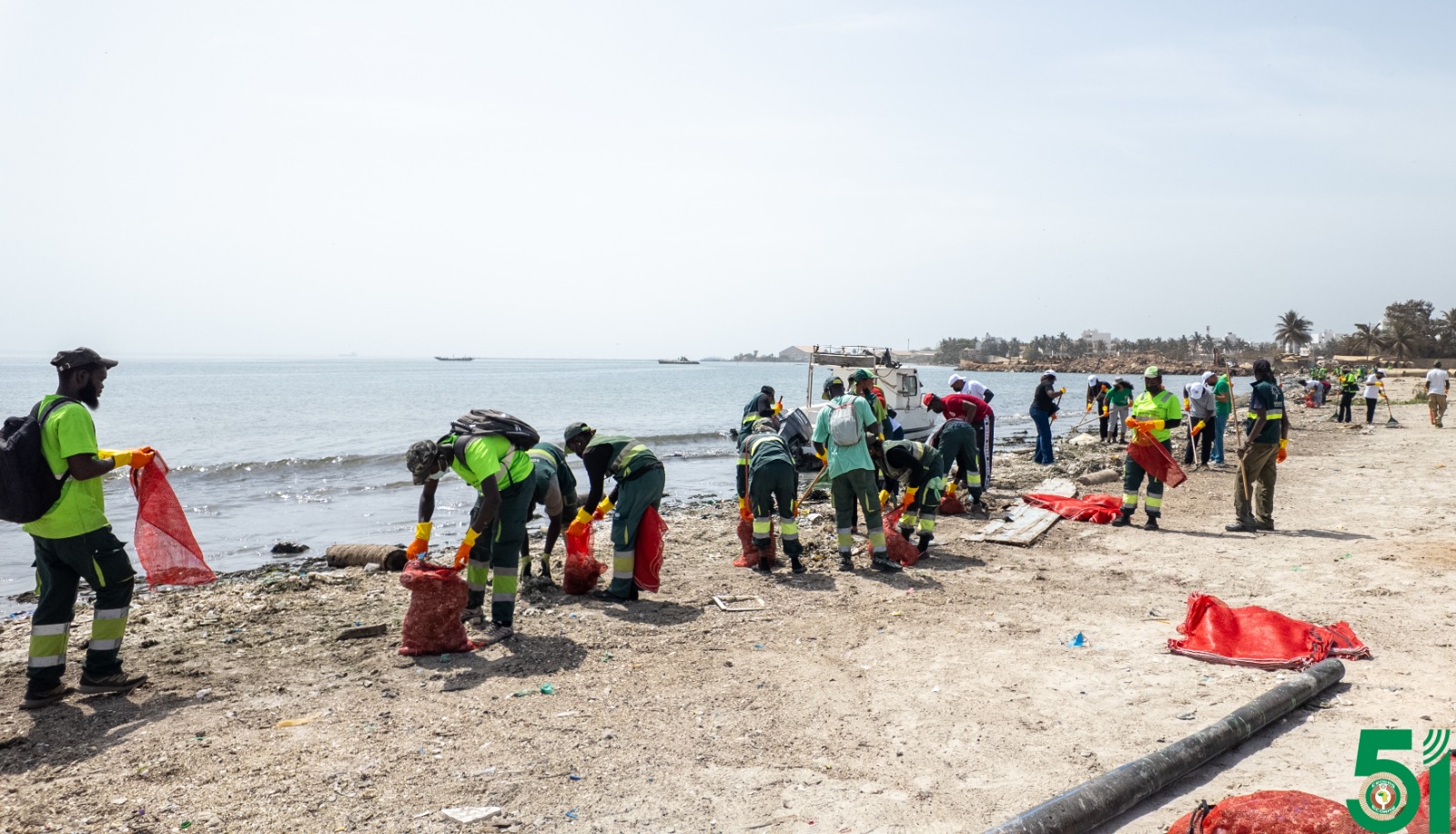
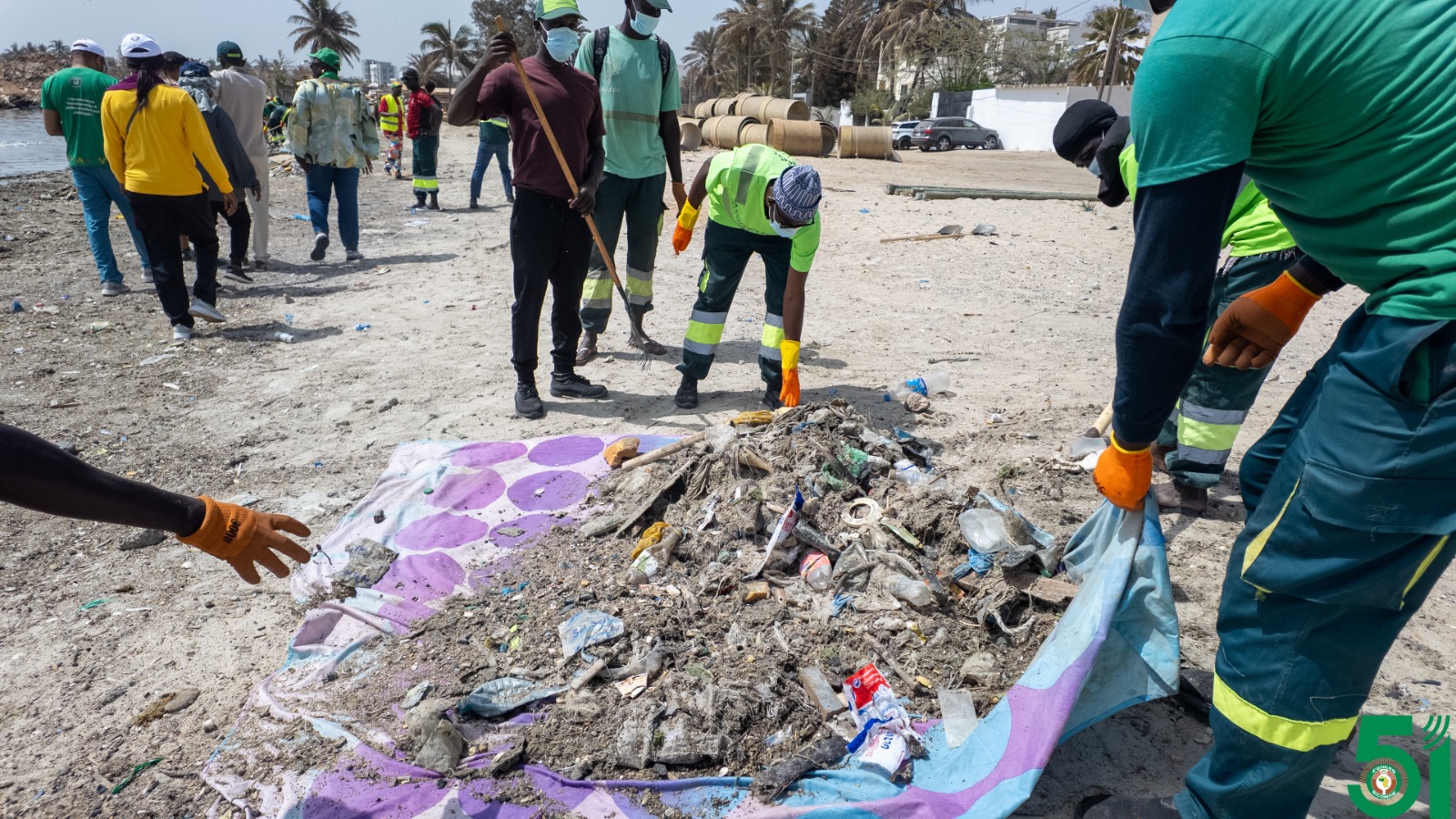
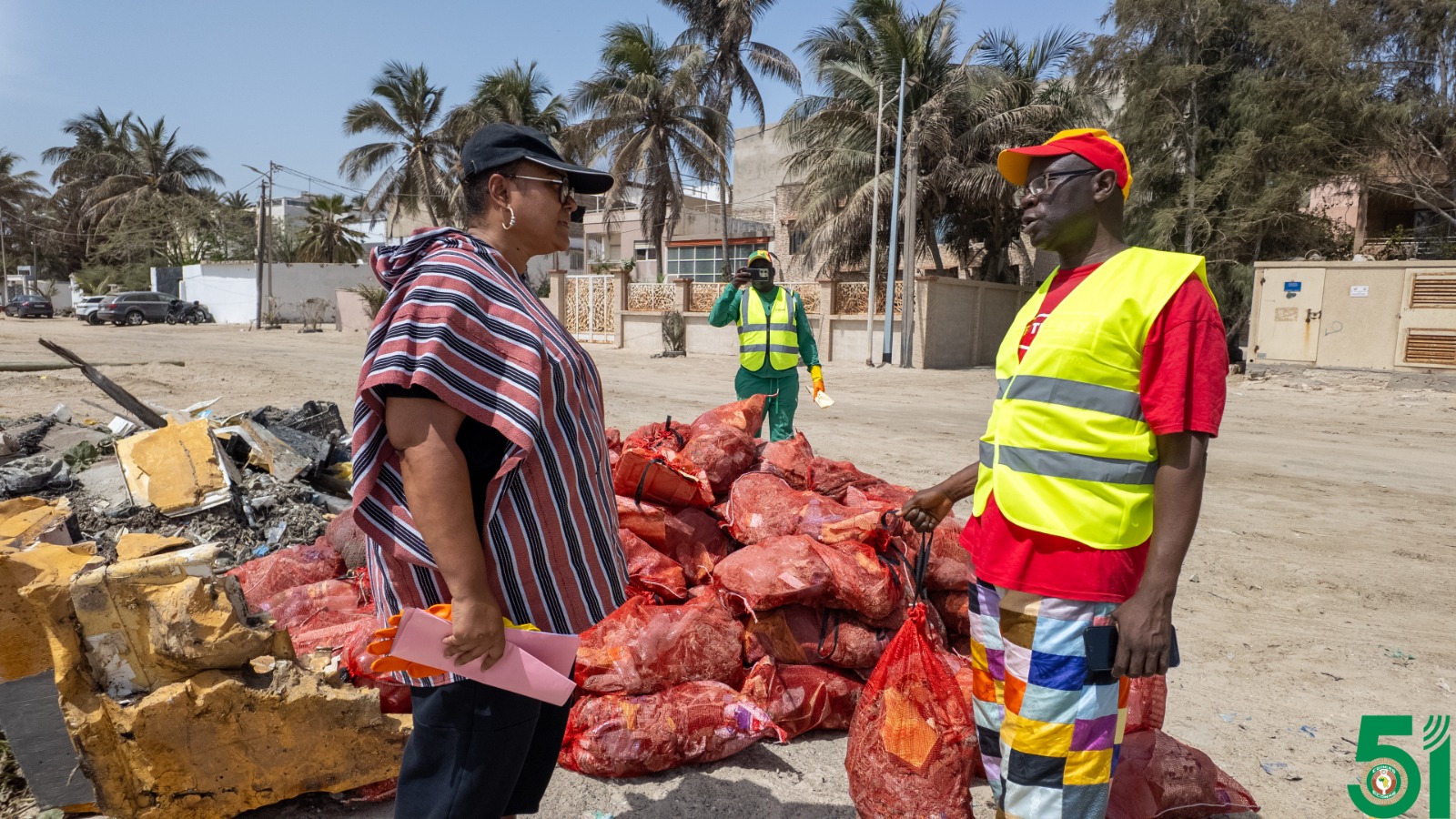
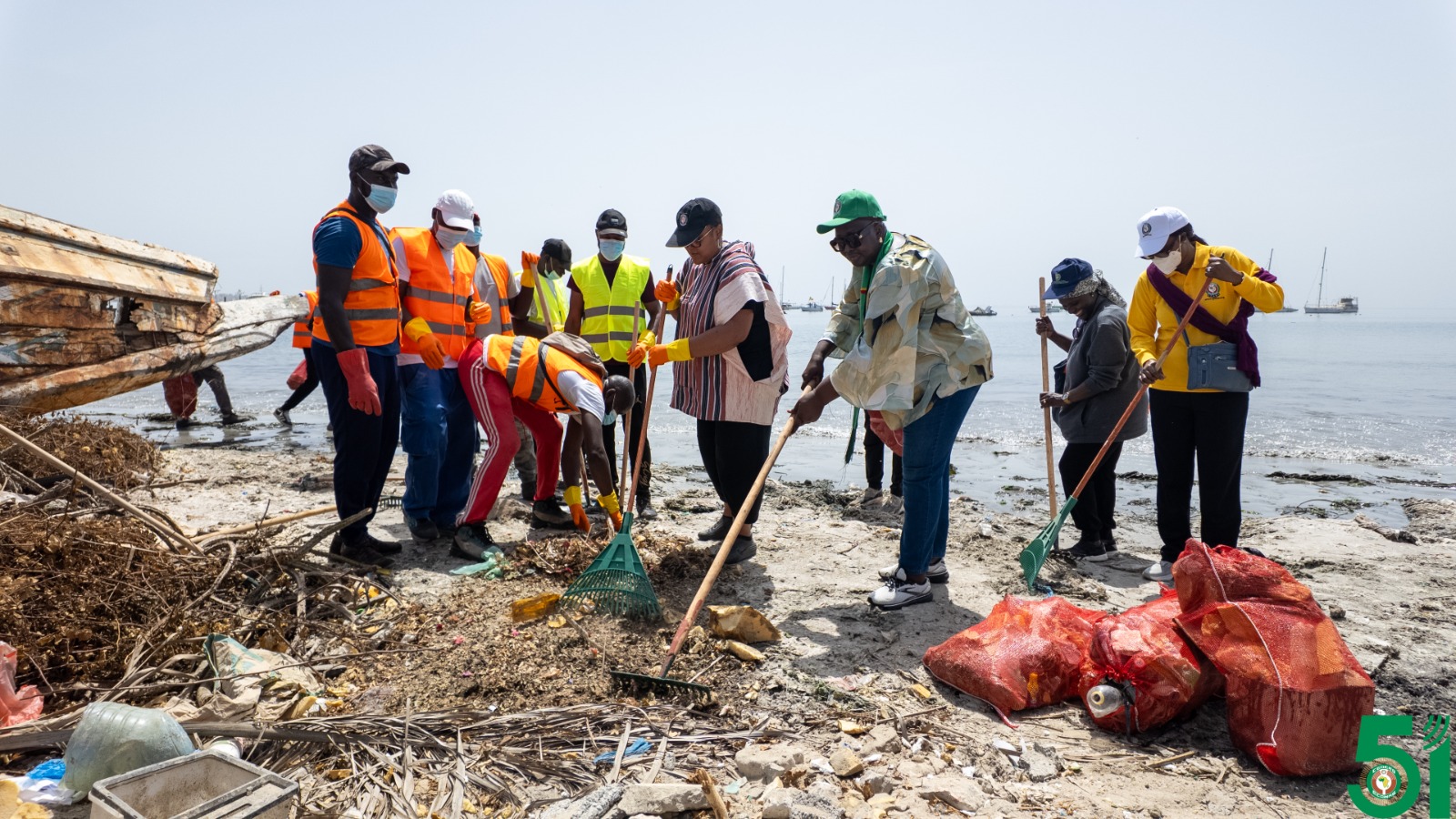
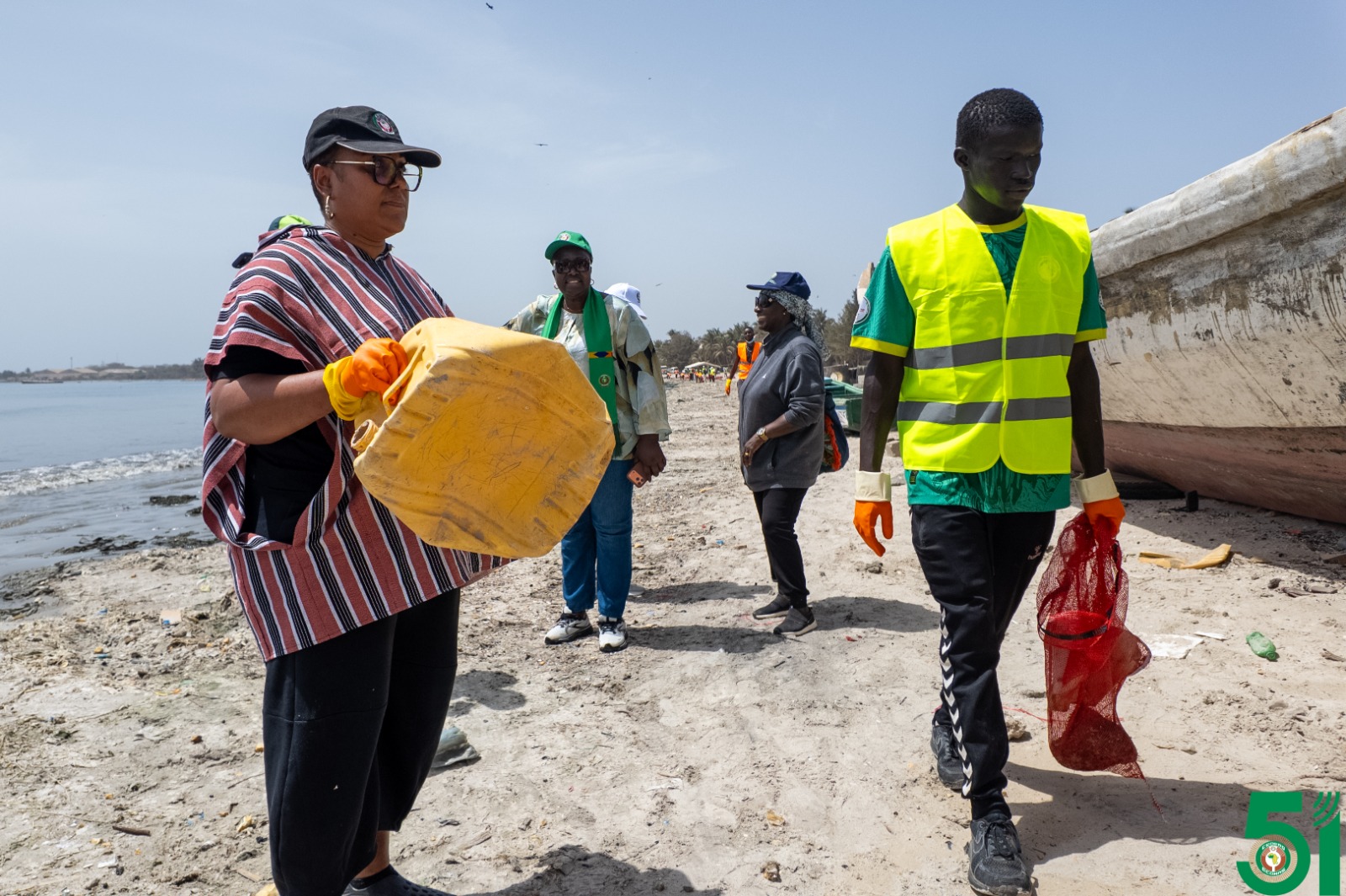
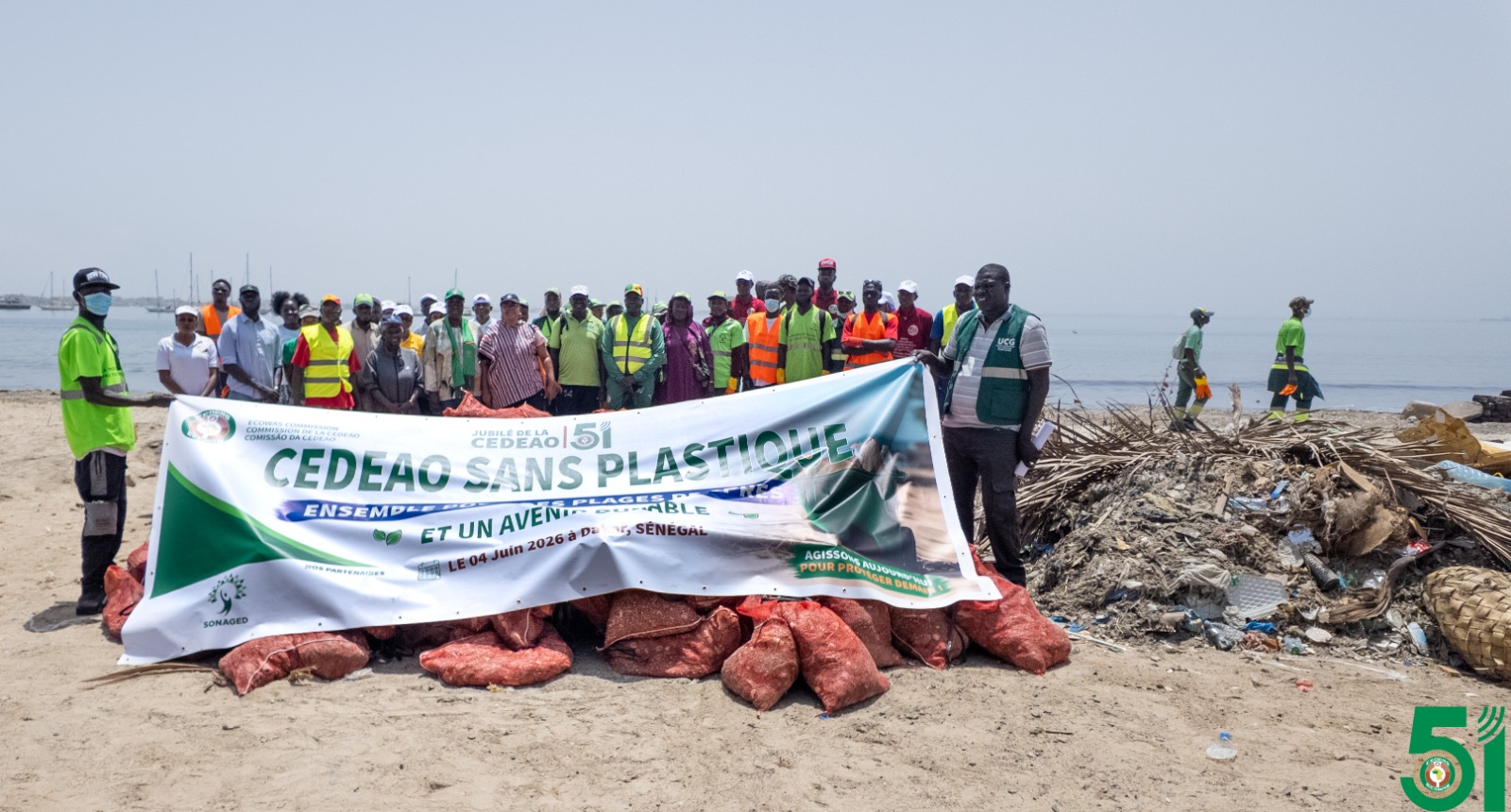
This beach clean-up activity, which is part of the overall “ECOWAS Plastic-Free Campaign”, aims to contribute to the implementation of the ECOWAS regulations on the fight against plastic pollution, recently adopted to promote behaviour change and stakeholder engagement in the cities of the Community.
It mobilized the staff of the EGDC, the National Company for Integrated Waste Management (SONAGED), religious and community leaders and the village community of Hann as well as young volunteers committed to environmental issues.
The representative of the village community of Hann said he was particularly honoured to carry out this clean-up action of the bay of Hann with the staff of the EGDC. He gave an exhaustive presentation on the causes and types of pollution as well as the consequences they imply, including the illegal immigration of young people from the village. He also listed a series of initiatives implemented to maintain the Bay of Hann and which focus on beach clean-up actions, information and awareness raising of the various actors concerned by pollution (local populations, private sector, Senegalese Government), advocacy as well as recycling and recovery of waste through carbon credits. He noted that ECOWAS support would be decisive for this initiative which can be replicated on all beaches in Senegal in order to change the trend in the fight against marine pollution.
Mrs. Sandra OULATÉ FATTOH, Director of the EGDC, recalled in her speech that the region is facing an invisible but destructive peril. Plastic pollution poses a serious threat to marine ecosystems, poisons public health and degrades the environment in West Africa. Thus, the challenge of this cleaning activity which is being carried out today on the sidelines of ECOWAS Day goes beyond simple sanitation. It is a question of providing communities with a healthy environment, a sine qua non condition for their economic and social emancipation. She concluded by renewing ECOWAS’ commitment to create an environment conducive to the promotion of sustainable solutions to reduce plastic waste and to sustain such actions and always in synergy and collaboration with SONAGED.
The Representative of SONAGED thanked the Director of the EGDC for this organization. He mentioned that the choice of Hann Bay to carry out this action is not a coincidence because SONAGED has been working with the community of Hann for several years and the dynamic is real. For him, marine pollution is more problematic in other communities that are less organized. He pointed out that together with the community of Hann, SONAGED is developing more integrated projects, which deal with both the collection points and the waste collection. This reinforces the community dynamic of Hann.
This activity has made it possible to identify initiatives that, when scaled up, can have an impact and structuring in the fight against marine pollution in key coastal cities in the West Africa region. The need to revitalize and scale this initiative was mentioned by the Director of the EGDC. The proposal for a better involvement of women in this dynamic to align with current sustainable development issues was also made. Finally, to give more scope to this initiative, which also mobilizes local communities in Côte d’Ivoire, Gambia and Mauritania, the EGDC proposed to set up a permanent framework for exchange and dialogue between the various actors concerned (ECOWAS, particularly the agencies of the Water-Energy-Food Nexus with gender mainstreaming, as well as the Directorate of Environment and Natural Resources, Member States, private sector, civil society, communities) by marine pollution.
As a reminder, ECOWAS has taken an important step in the fight against plastic pollution by adopting Regulation C/REG.17/12/23 on the harmonization of the regulation of plastic products and the environmentally sound management of plastic waste within ECOWAS Member States. This regulation aims to reduce plastic pollution, promote sustainable waste management practices and support regional integration in environmental governance.